
C语言多线程负载均衡可以通过以下步骤实现:
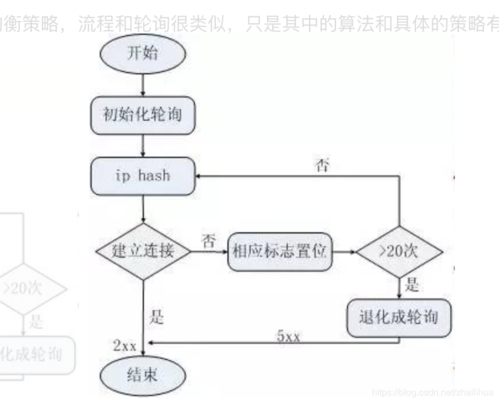

1、创建多个线程
2、分配任务给每个线程
3、同步线程以实现负载均衡
4、收集结果并输出
以下是一个简单的示例代码:
#include <stdio.h>
#include <stdlib.h>
#include <pthread.h>
// 定义线程函数
void* thread_function(void* arg) {
    int task = *((int*)arg);
    printf("Thread %d is processing task %d
", pthread_self(), task);
    sleep(1); // 模拟处理任务的时间
    return NULL;
}
int main() {
    const int num_tasks = 10;
    const int num_threads = 5;
    // 创建线程ID数组
    pthread_t threads[num_threads];
    // 创建任务ID数组
    int tasks[num_tasks];
    for (int i = 0; i < num_tasks; i++) {
        tasks[i] = i;
    }
    // 创建线程参数数组
    int* thread_args[num_threads];
    for (int i = 0; i < num_threads; i++) {
        thread_args[i] = &tasks[i];
    }
    // 创建并启动线程
    for (int i = 0; i < num_threads; i++) {
        pthread_create(&threads[i], NULL, thread_function, thread_args[i]);
    }
    // 等待线程完成
    for (int i = 0; i < num_threads; i++) {
        pthread_join(threads[i], NULL);
    }
    printf("All tasks completed.
");
    return 0;
}
在这个示例中,我们创建了5个线程来处理10个任务,每个线程处理一个任务,然后等待其他线程完成,这样,我们可以确保所有线程都在同一时间开始执行任务,从而实现负载均衡。
本文来源于互联网,如若侵权,请联系管理员删除,本文链接:https://www.9969.net/5772.html
