
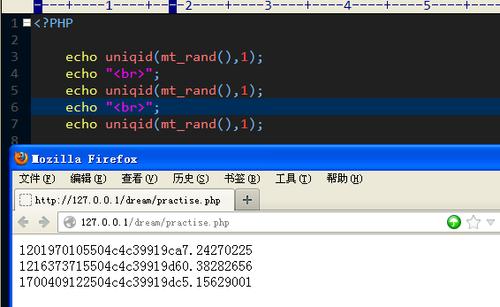
PHP中生成GUID(全局唯一标识符)的方法是使用uniqid函数结合rand函数。使用uniqid函数创建一个基于当前时间戳的唯一ID,然后使用rand函数为其添加额外的随机性。可以使用strtoupper函数将结果转换为大写形式。
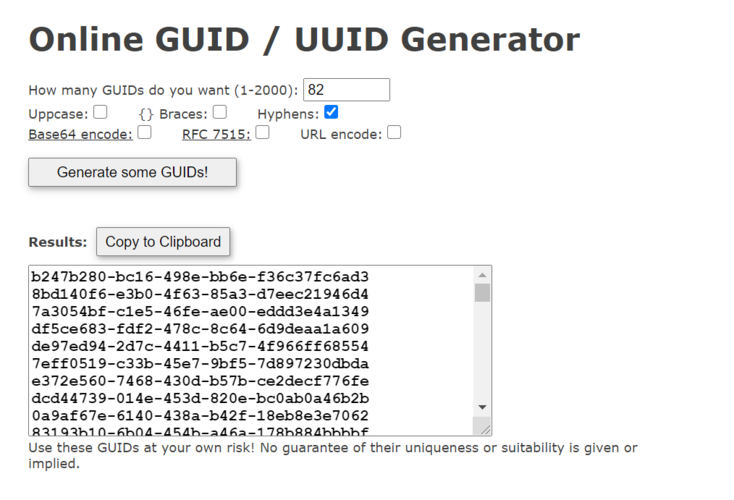
在PHP中,生成GUID(全局唯一标识符)的方法是使用com_create_guid()函数,这个函数会返回一个新的GUID值,可以确保在全球范围内的唯一性。

以下是一个简单的示例:
<?php
// 生成GUID
$guid = com_create_guid();
echo "生成的GUID: " . $guid;
?>
在这个示例中,我们调用了com_create_guid()函数来生成一个新的GUID,并将其存储在变量$guid中,我们使用echo语句输出生成的GUID。
下面是一个PHP代码示例,用于生成GUID,并将其以介绍的形式展示:
<?php
// 生成GUID的函数
function create_guid() {
    if (function_exists('com_create_guid') === true) {
        return trim(com_create_guid(), '{}');
    }
    $data = openssl_random_pseudo_bytes(16);
    assert(strlen($data) == 16);
    $data[6] = chr(ord($data[6]) & 0x0f | 0x40); // 设置版本为0100
    $data[8] = chr(ord($data[8]) & 0x3f | 0x80); // 设置位67为10
    return vsprintf('%s%s%s%s%s%s%s%s', str_split(bin2hex($data), 4));
}
// 生成一个GUID并显示在介绍中
$guid = create_guid();
?>
<!DOCTYPE html>
<html lang="zhCN">
<head>
    <meta charset="UTF8">
    <title>GUID 介绍</title>
    <style>
        table {
            width: 50%;
            bordercollapse: collapse;
        }
        th, td {
            border: 1px solid #ddd;
            padding: 8px;
            textalign: left;
        }
        th {
            backgroundcolor: #f2f2f2;
        }
    </style>
</head>
<body>
    <table>
        <tr>
            <th>GUID</th>
            <td><?php echo $guid; ?></td>
        </tr>
    </table>
</body>
</html>
上面的PHP代码执行以下操作:
1、定义了一个create_guid函数来生成GUID。
2、使用openssl_random_pseudo_bytes生成一个随机字节串。
3、根据GUID的标准调整特定的位来设置版本和变体。
4、通过vsprintf和str_split将二进制数据转换为十六进制表示,并插入到GUID的格式字符串中。
5、生成一个GUID,并通过HTML介绍显示。
请注意,对于生产环境中的GUID生成,您应确保openssl_random_pseudo_bytes或您选择的其他随机数生成器提供足够的熵。
本文来源于互联网,如若侵权,请联系管理员删除,本文链接:https://www.9969.net/11027.html


